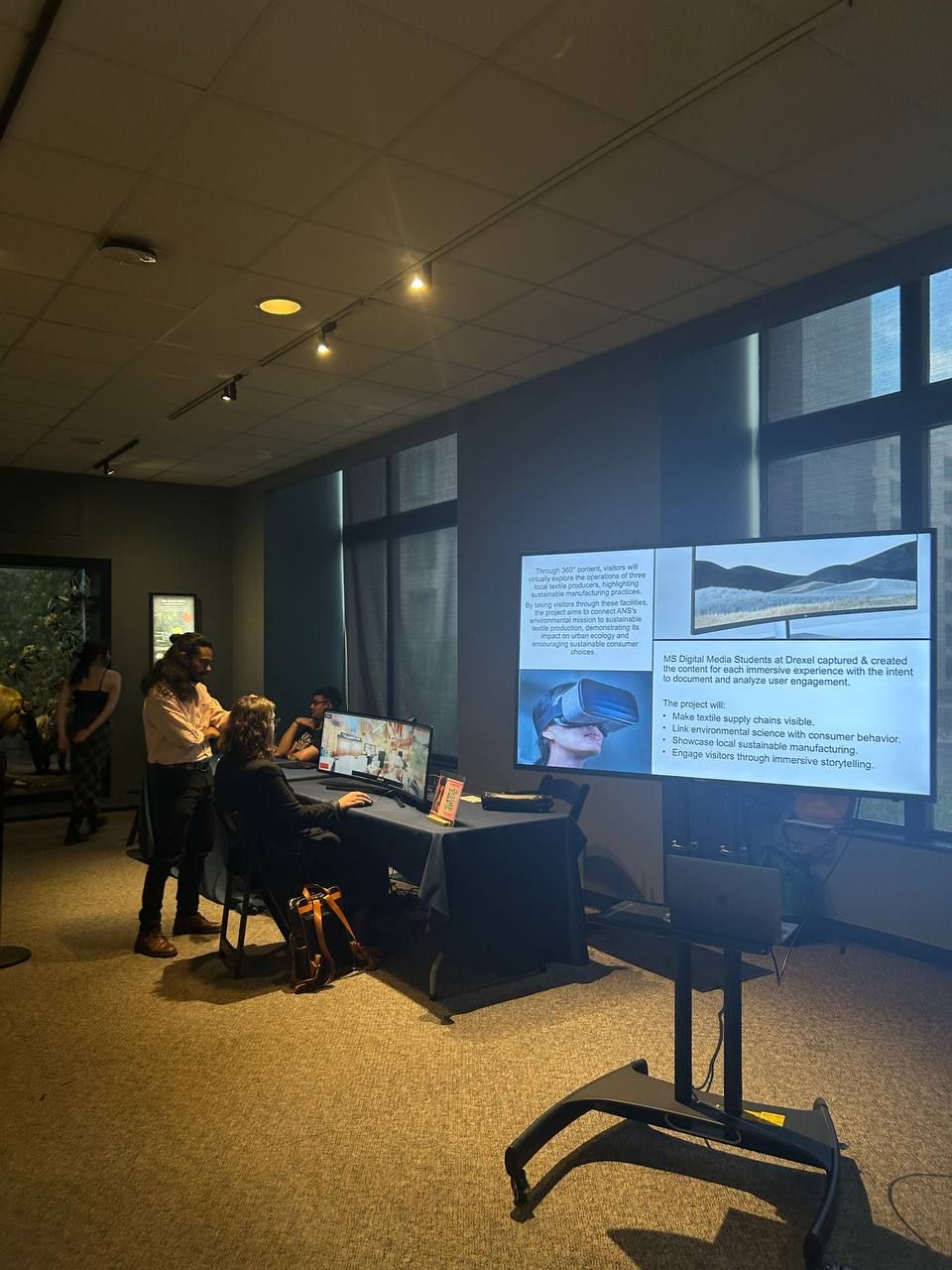
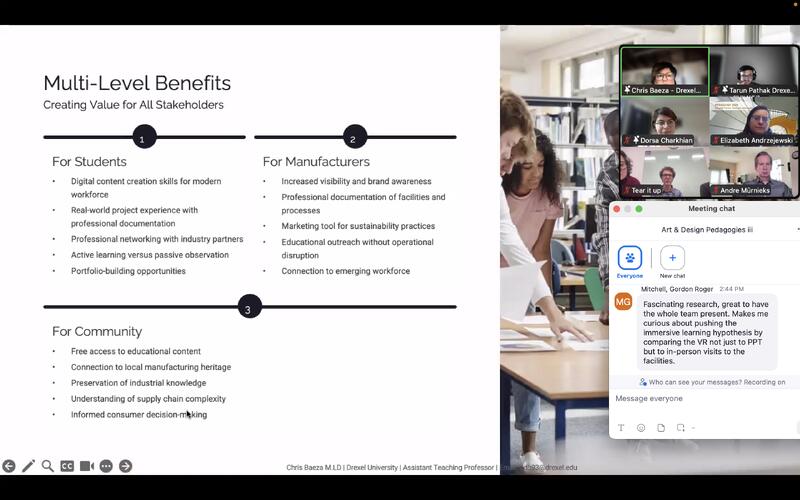
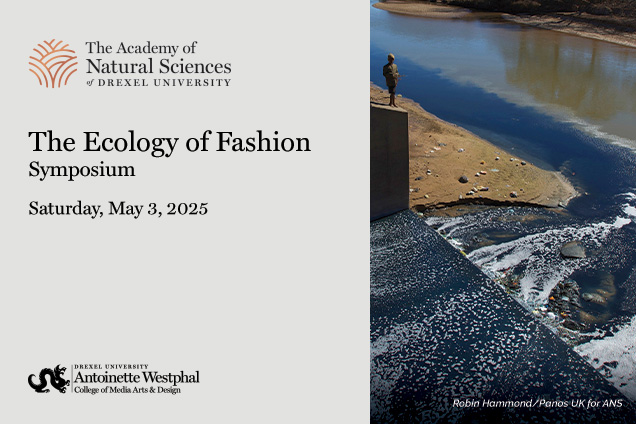
We built a VR experience about where clothes come from - the factories, the farms, the waste. I spent time at the museum watching visitors try it and asking them what they remembered. The big insight: story beats information.
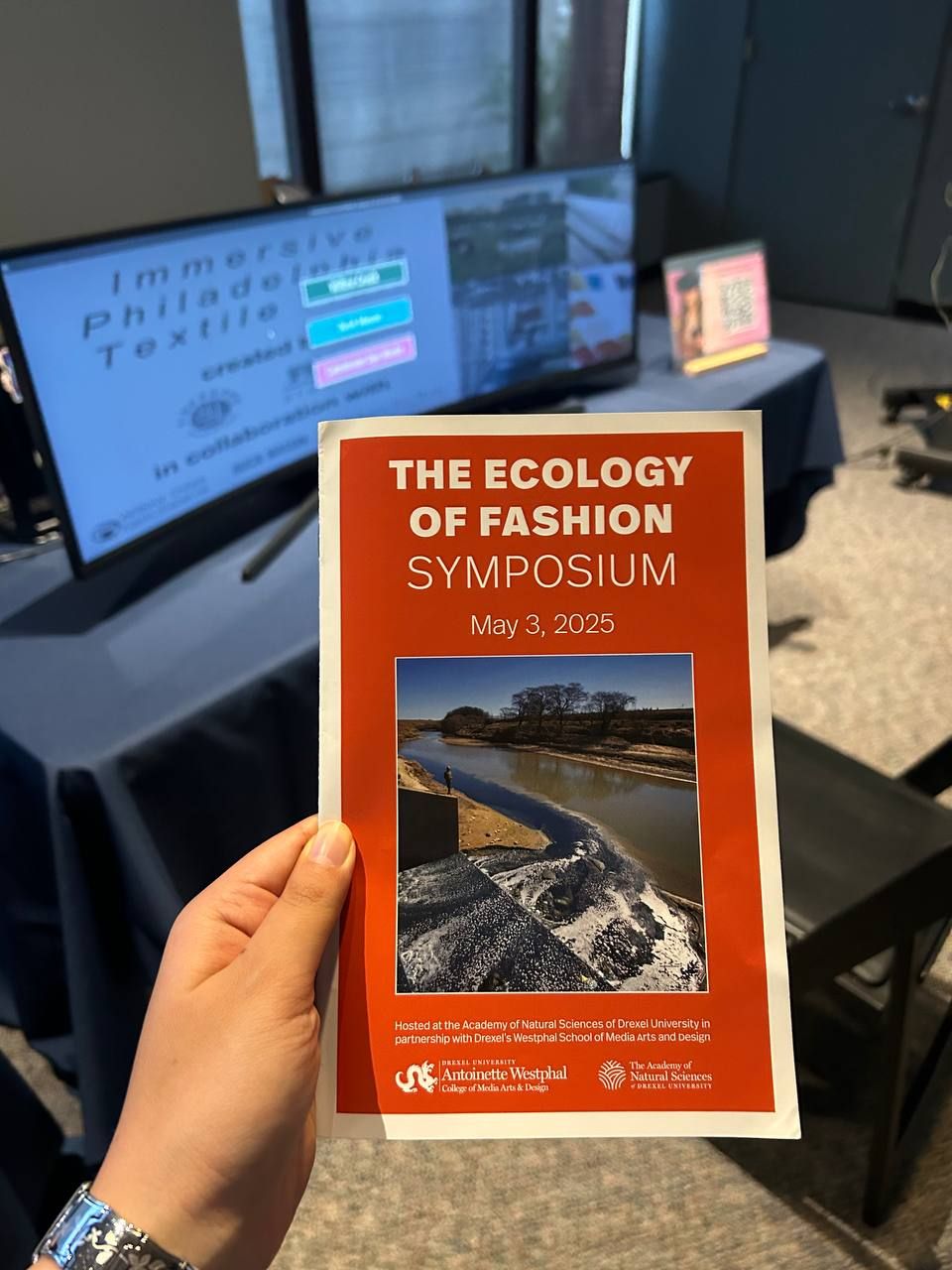
This was a collaboration with the Academy of Natural Sciences. We had a short exhibition window - just a few weeks - to get visitors through the VR experience AND collect meaningful feedback. No time for lengthy studies. I had to figure out what was working while people were still walking through the door.
The tricky part: museum visitors range from 8-year-olds who've never worn a VR headset to adults who already know everything about fast fashion. Same experience, wildly different starting points.
People know fashion has environmental problems, but the information doesn't stick. Reading articles or watching videos doesn't change how you feel about your clothes. We wanted to try something more visceral.
I stationed myself at the exhibition and caught people right after they took off the headset. Quick surveys, short conversations. "What do you remember?" "How did that make you feel?" "Would you change anything about how you shop?"
The developers wanted to pack in more facts. The research said the opposite: the moments that worked were the emotional ones. I had to show them the data before they believed me.
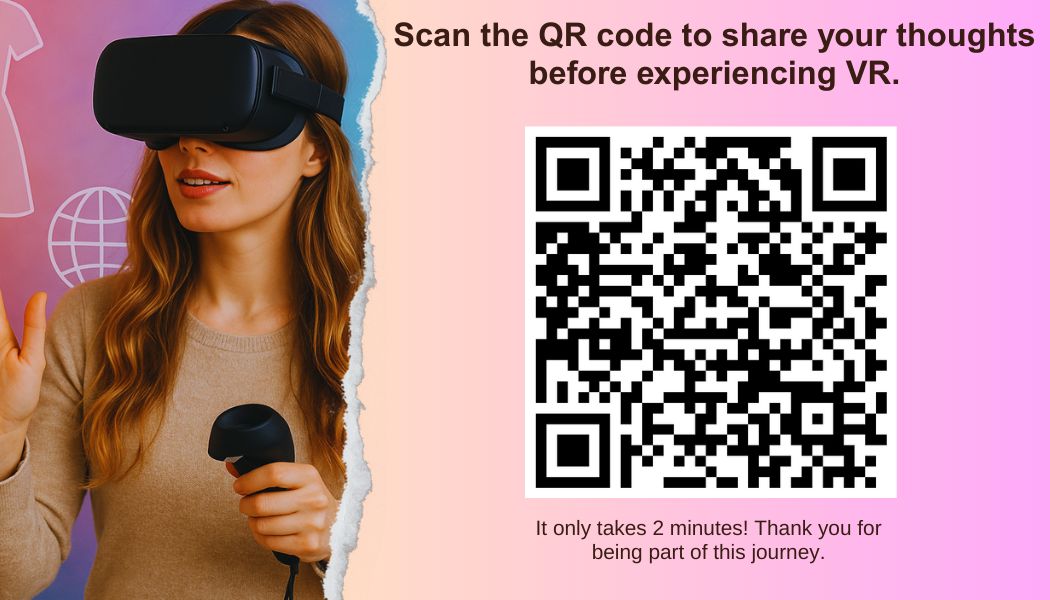
Guerrilla research, basically. Post-experience surveys via QR codes (quick, anonymous). Short interviews with anyone willing to talk for 5 minutes. Observation notes on what made people gasp, laugh, or look uncomfortable.
I synthesized on the fly - clustering feedback each day and sharing patterns with the team before the next round of visitors arrived.
QR code survey used to capture immediate post-experience feedback from museum visitors.
Visitors remembered the story, not the facts. The ones who felt something - who walked through the cotton field, who saw the water waste - could explain sustainability concepts better than those who just read about them. Emotion drives understanding. That insight shaped how we designed the rest of the experience.
The team wanted to add more facts to the experience - statistics about water usage, carbon footprints, factory conditions. The research said: stop.
Visitors who remembered facts couldn't explain why they mattered. Visitors who remembered the cotton field scene could. We cut half the information and doubled down on the emotional moments.
Engagement went up 45%. Comprehension went up 50%. Turns out, feeling something is the first step to understanding it.